
Journal
Bathing, coats, and the small stuff.
Straight answers on bathing, coat care, and the small moments with your pet.
How To6 min
How Often Is Often Enough — and Why Dogs and Cats Differ
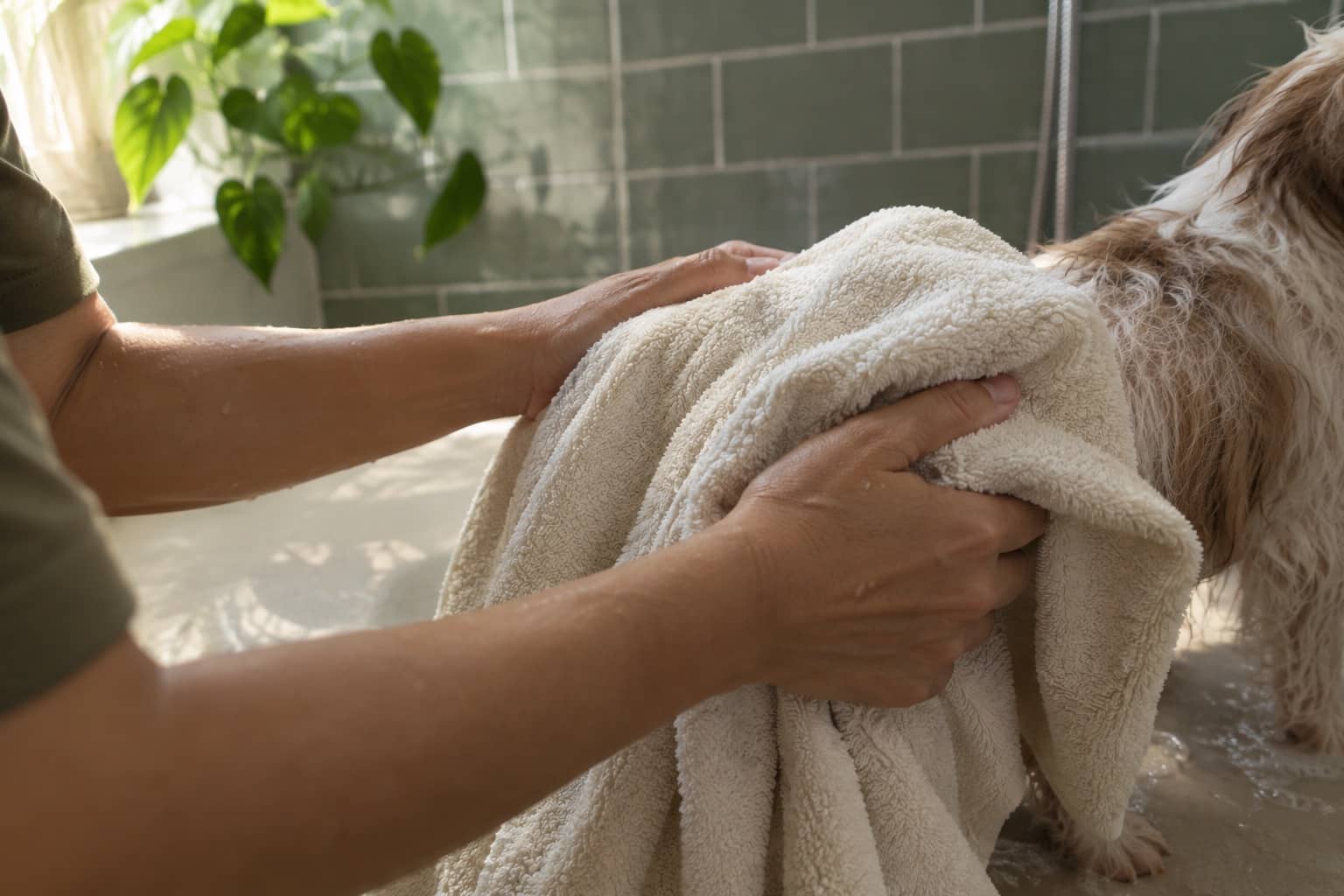
Once a week suits most dogs in a Thai home. An indoor cat can go far longer, or never. The right number depends on the coat, the weather and where he sleeps — and if the shampoo is gentle, more often does no harm. Red or flaky skin is the one sign to stop and see a vet.
How To6 min
The First Bath: When, and How to Make It Uneventful
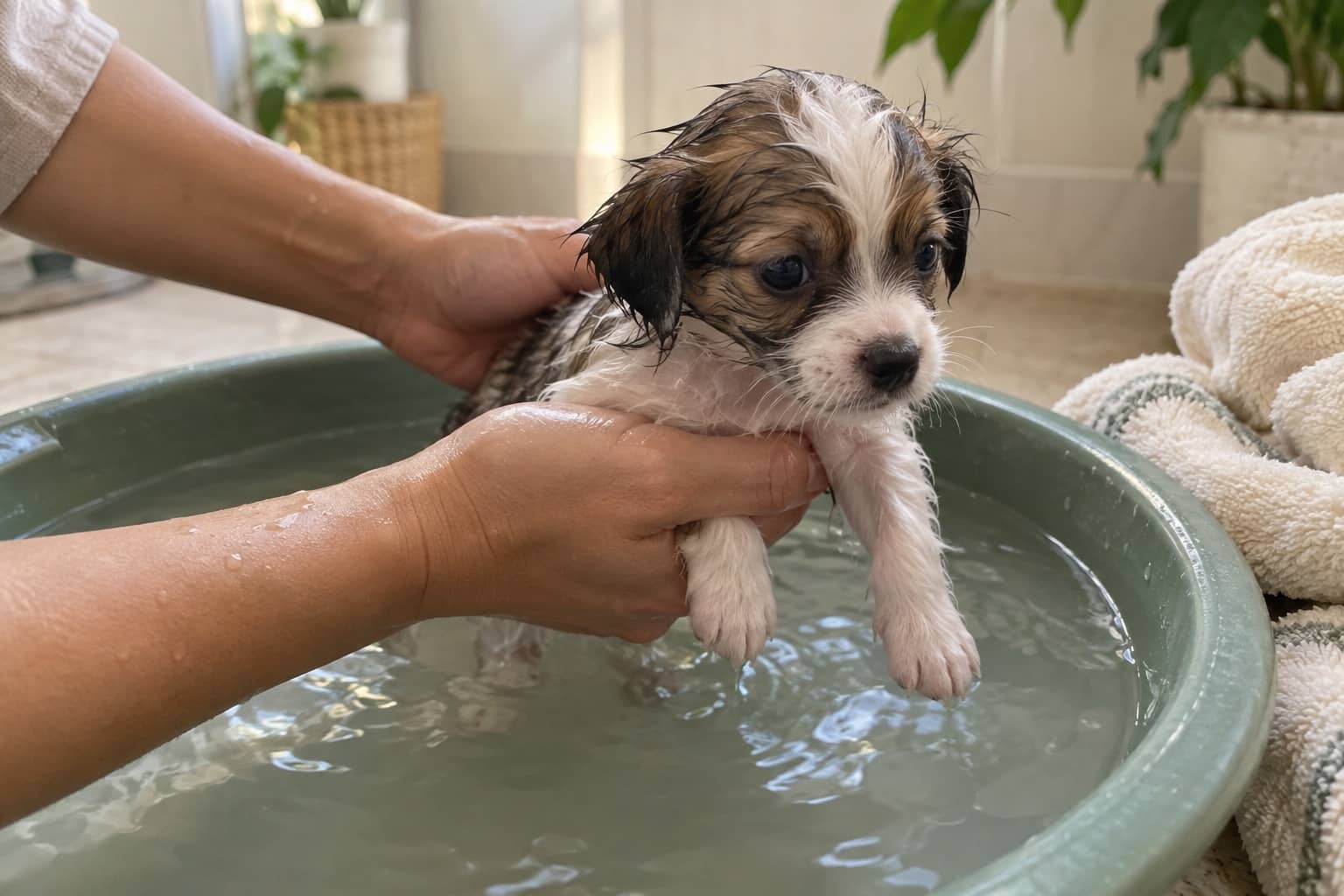
A puppy or kitten is ready for a first bath when the vet says so, because the timing follows his own vaccination schedule. Until then, a warm cloth wrung out almost dry keeps him perfectly clean.
Product Guide6 min
Human Shampoo on a Dog? Dog Shampoo on a Cat?
Human shampoo isn't built for a pet's skin. Once, in a pinch, is not a disaster — but it shouldn't become the habit. Dog shampoo on a cat is the riskier of the two, because a cat licks everything back off himself afterwards and swallows whatever was left in the coat.
Pet Wellbeing7 min
Still Smelly After a Bath: Where the Odour Actually Comes From
A smell that survives a bath usually isn't the shampoo's fault. The most common cause is a coat that never dried down to the skin; the next is shampoo that wasn't fully rinsed out. If it's dry and properly rinsed and the smell is still there, track it to the ears, skin, mouth or rear — and have a vet look.
How To5 min
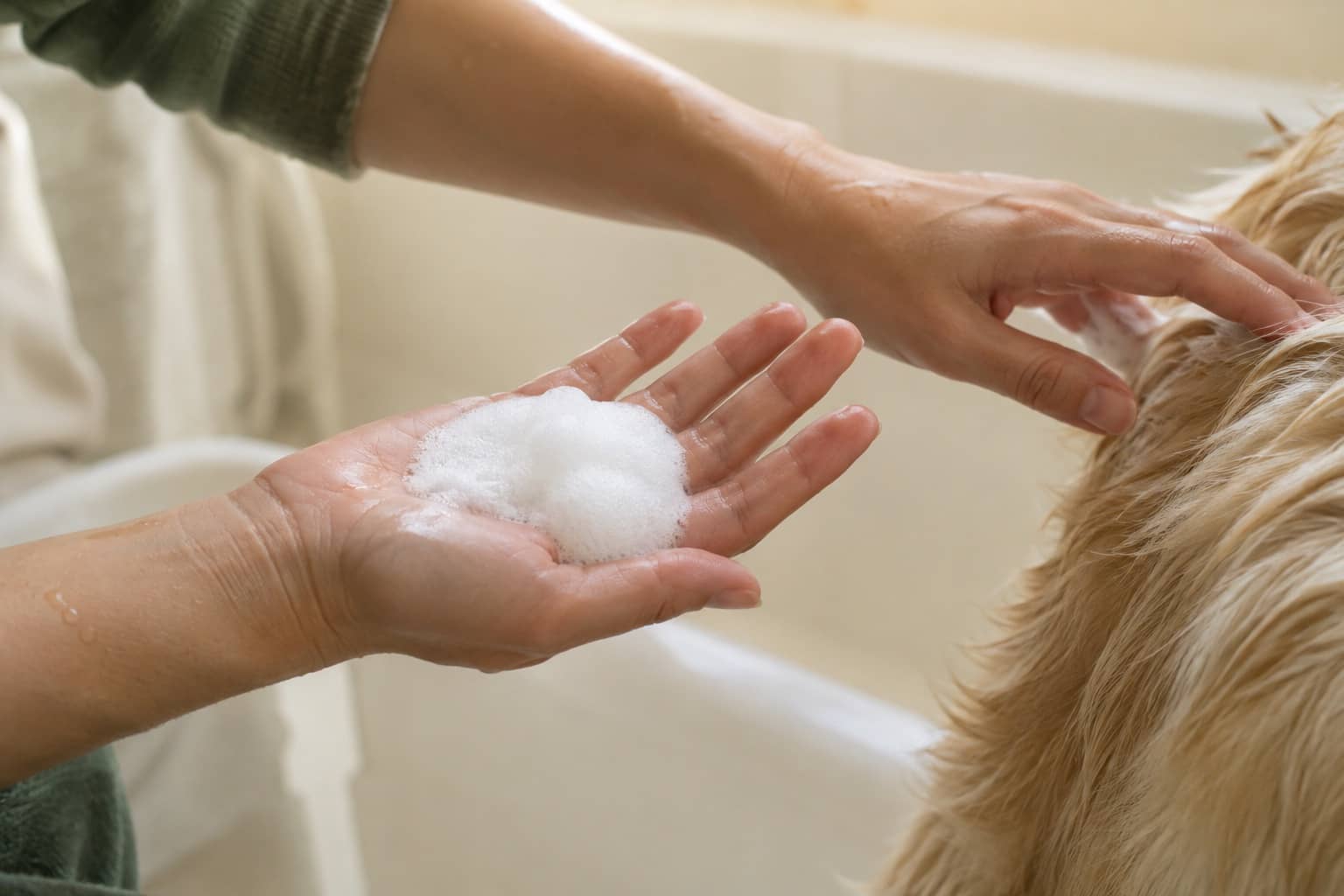
Dry Shampoo Foam: How to Use It, and Where It Stops
Pump a handful of foam into your palm, work it into the coat against the lie of the hair, towel it through and brush it out. No rinsing. It's made for the weeks between baths, for cats who won't go near water, and for one dirty patch — not for a pet who needs a real bath.
Pet Wellbeing6 min
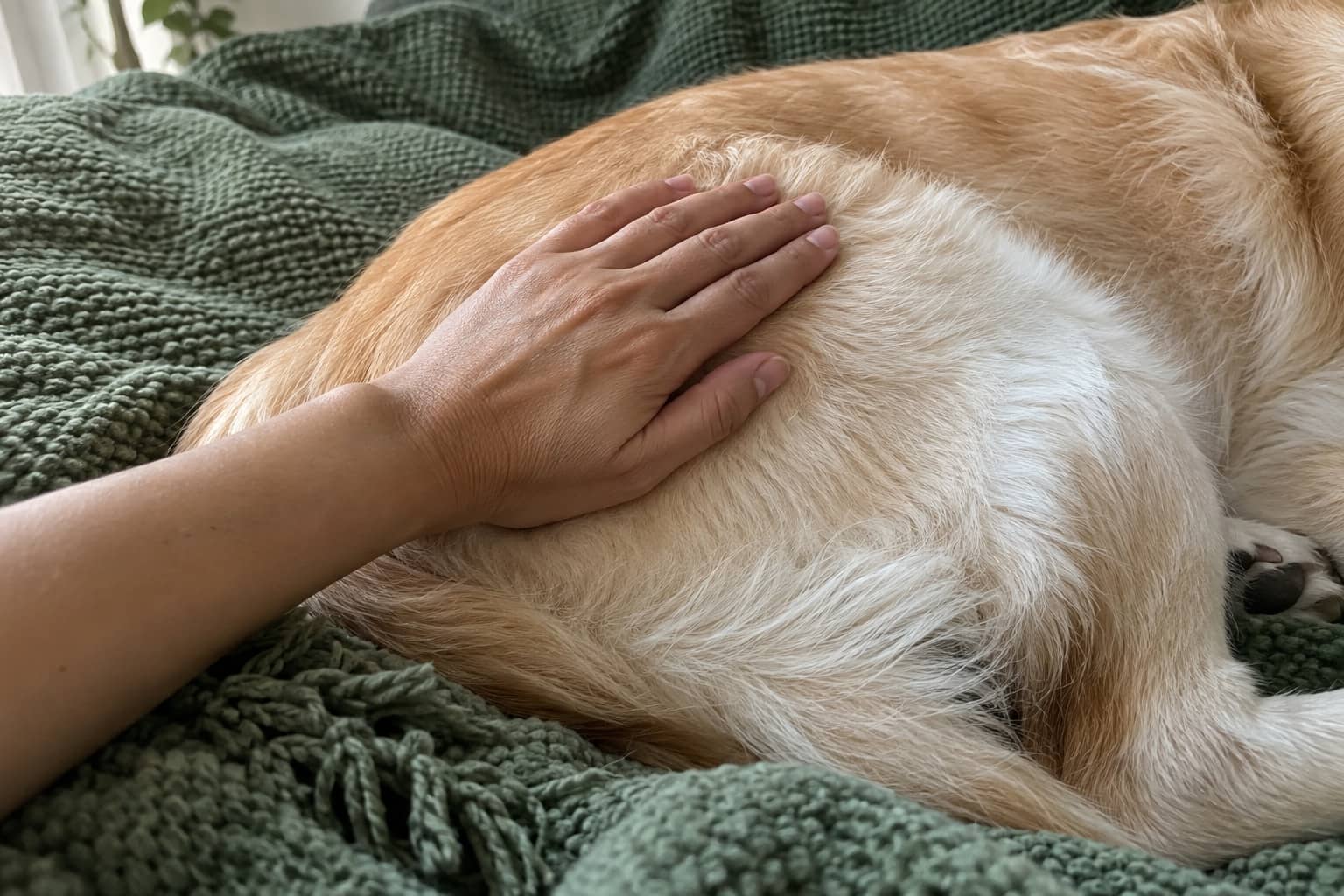
He Won't Stop Scratching: What a Shampoo Can and Can't Do
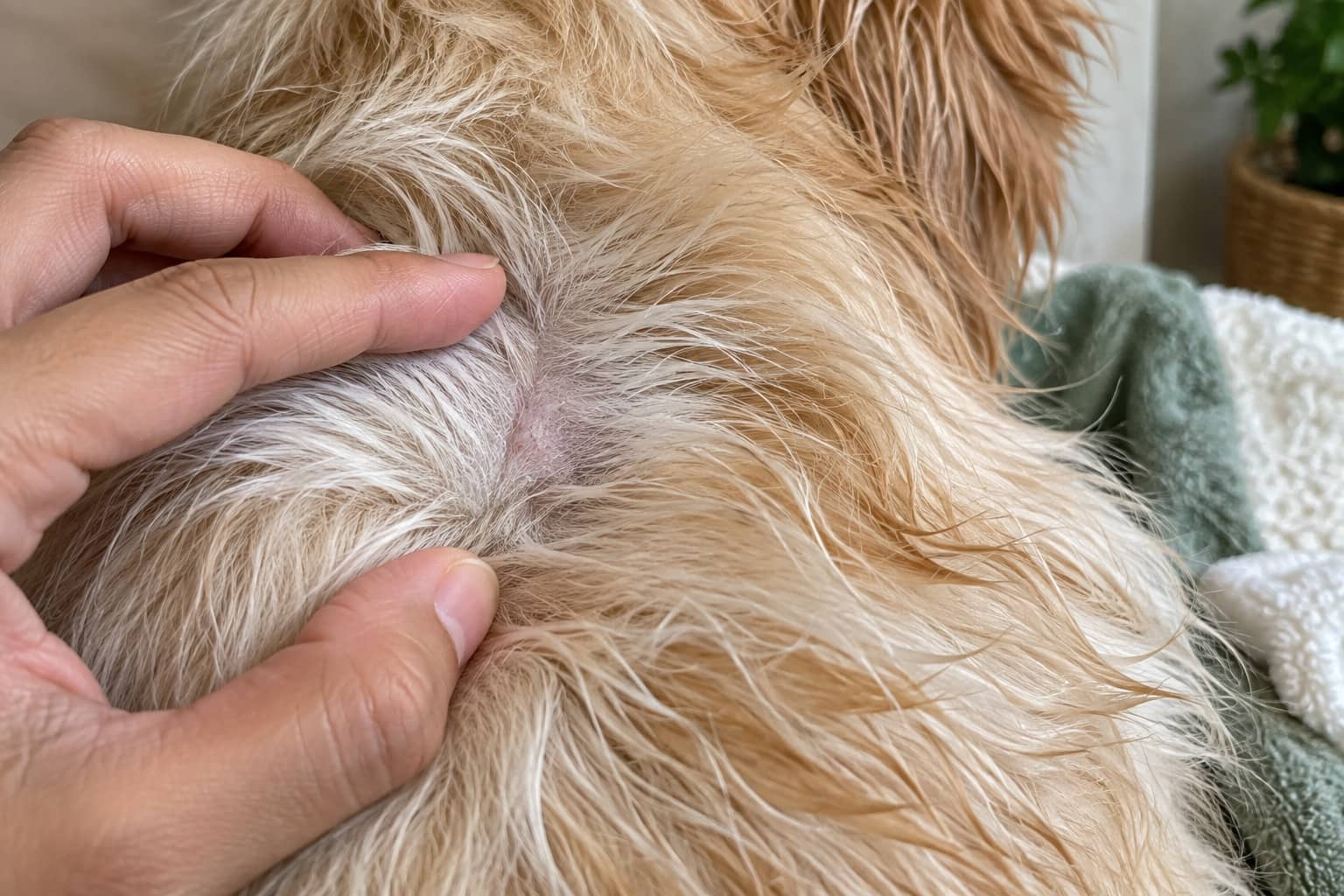
A shampoo is not a medicine and it does not treat itching. What a gentle one does is remove a variable, so that what's left is easier for you and the vet to see. Broken skin, patchy hair loss or a new smell means an appointment, not a different bottle.
How To6 min
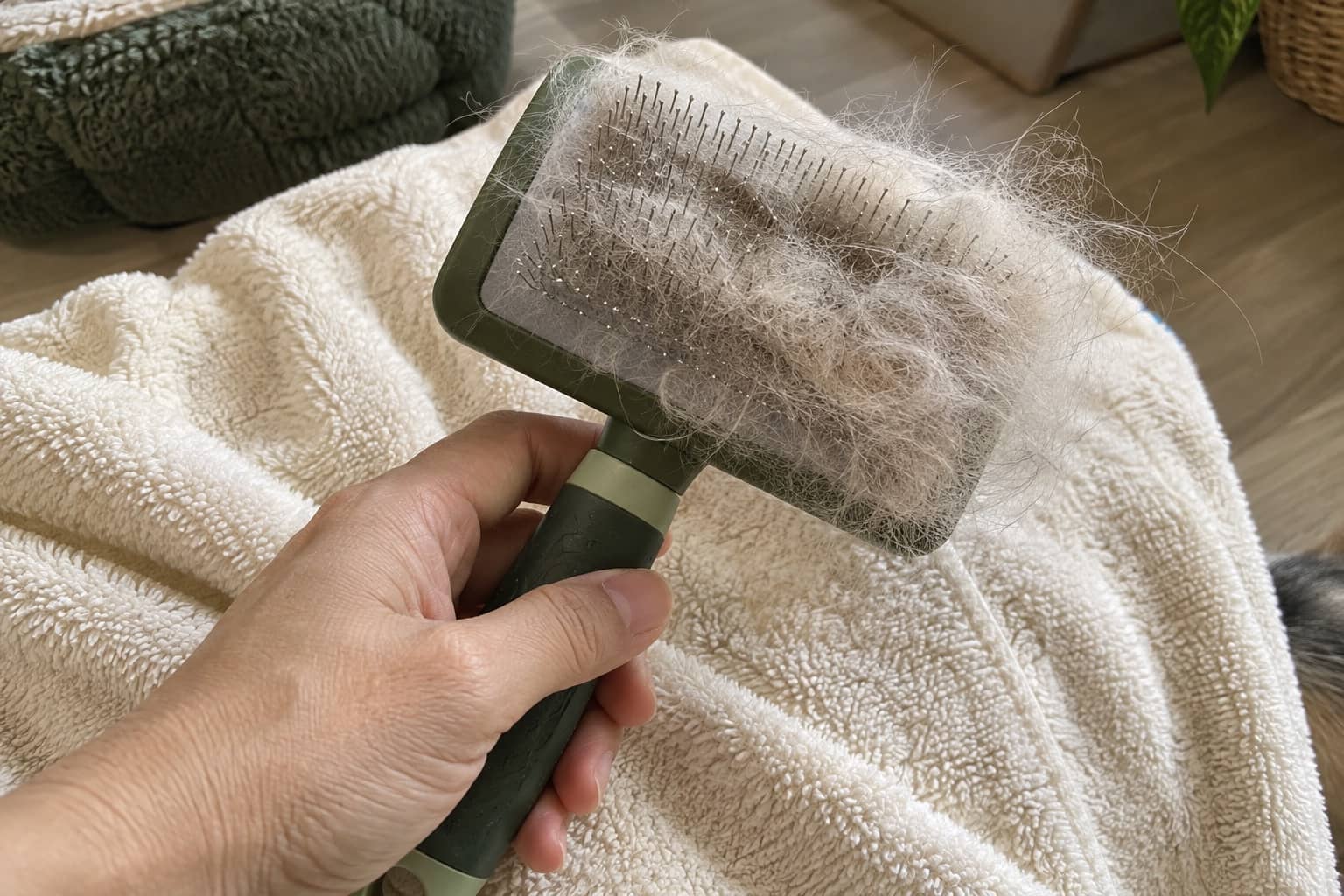
Fur Everywhere: What Bathing and Brushing Actually Change
Bathing doesn't reduce shedding. It changes where the loose fur ends up — in the drain and the brush rather than on the sofa. Patchy hair loss down to visible skin is a different thing entirely, and that one belongs to a vet.
Pet Wellbeing6 min
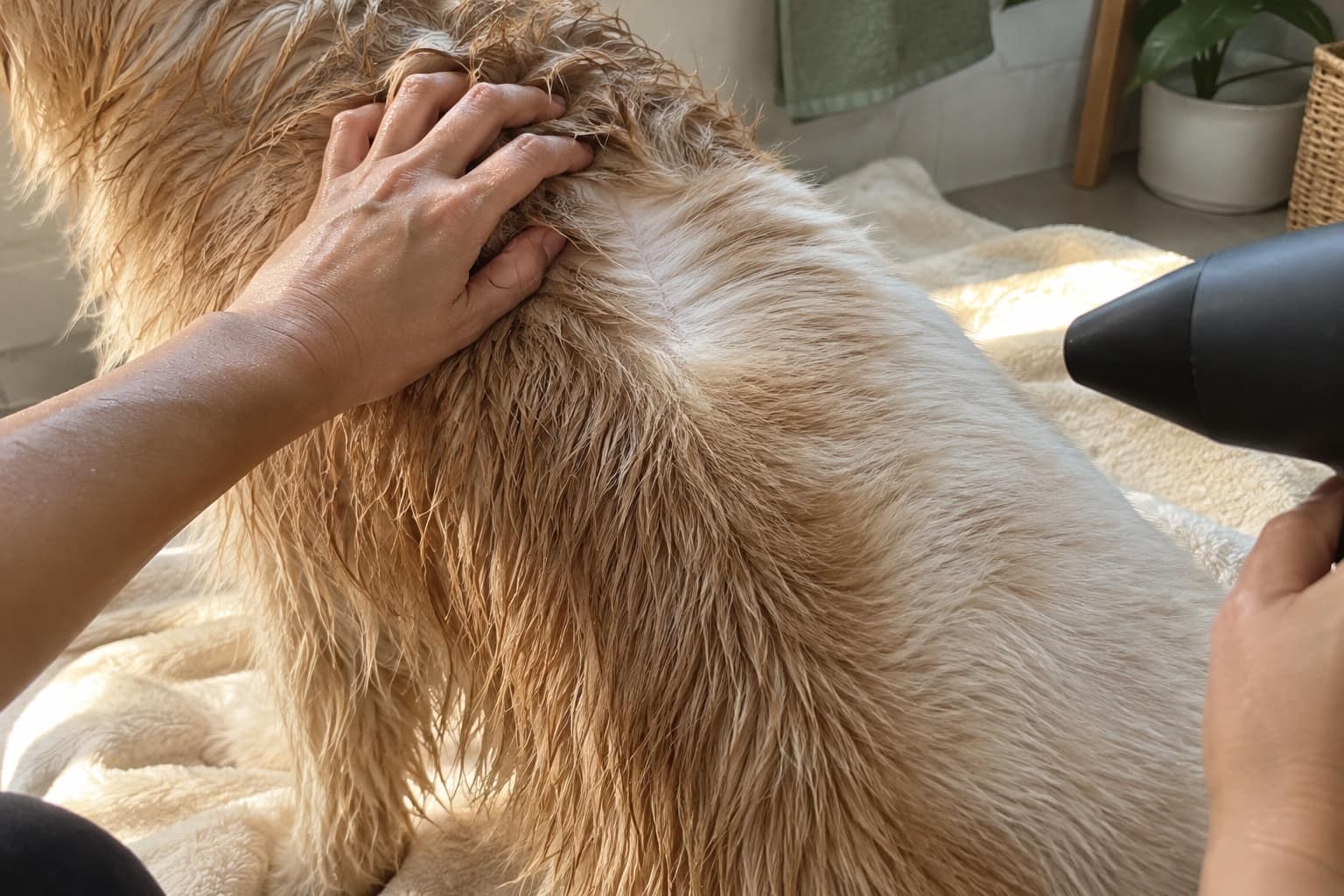
If the Coat Isn't Fully Dry, Will He Get Sick?
A coat left damp to the skin mats, turns musty within a day, and keeps the skin wet enough to irritate. Whether he gets ill is a medical question — if he runs a fever, goes flat or stops eating after a bath, that's a vet, today.
Quality Time5 min
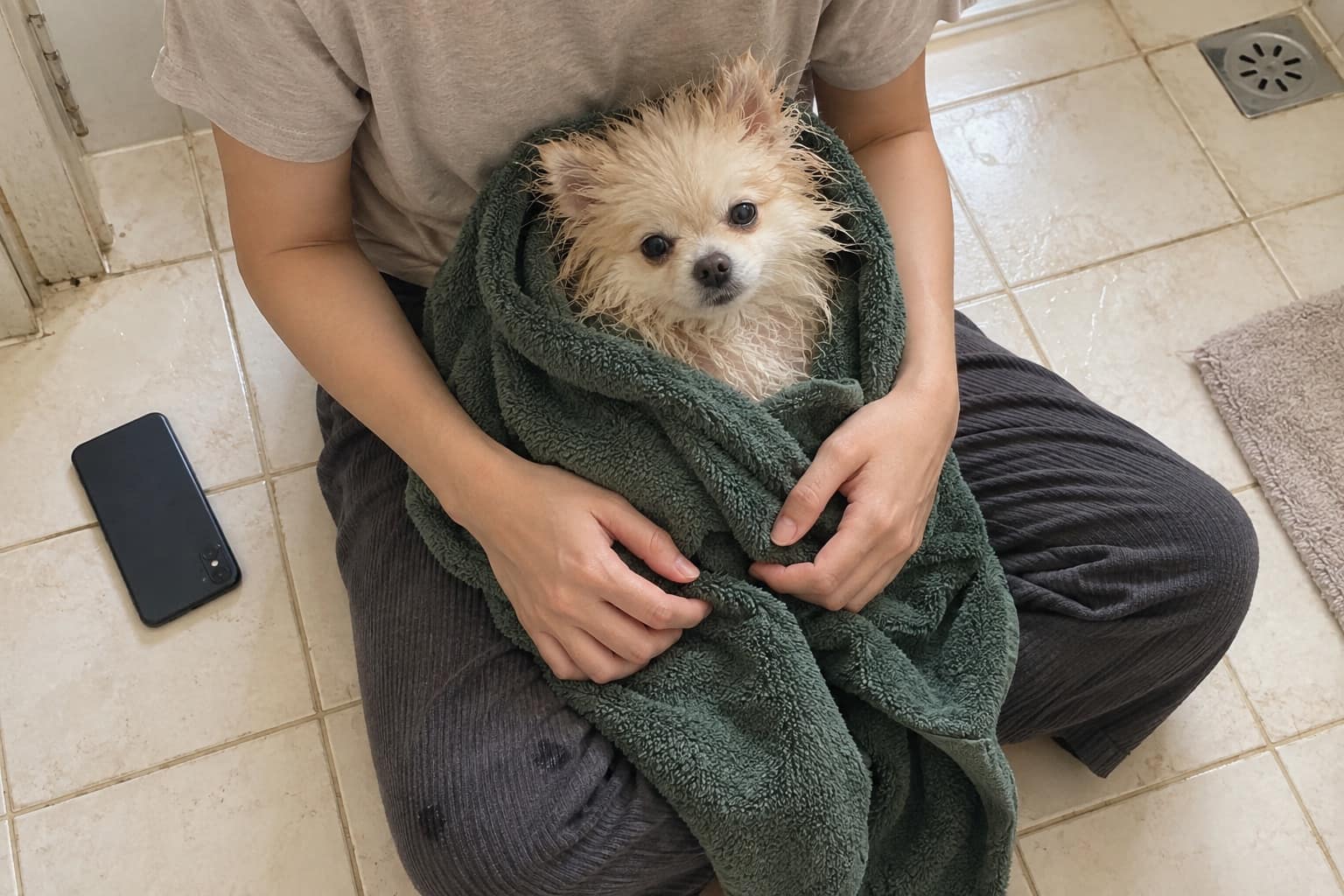
30 Minutes a Week: A Quality Time Ritual With Your Pet
You don't need hours. A focused half-hour — bath, brush, breathe — is enough to change how well you know your pet.
How To7 min
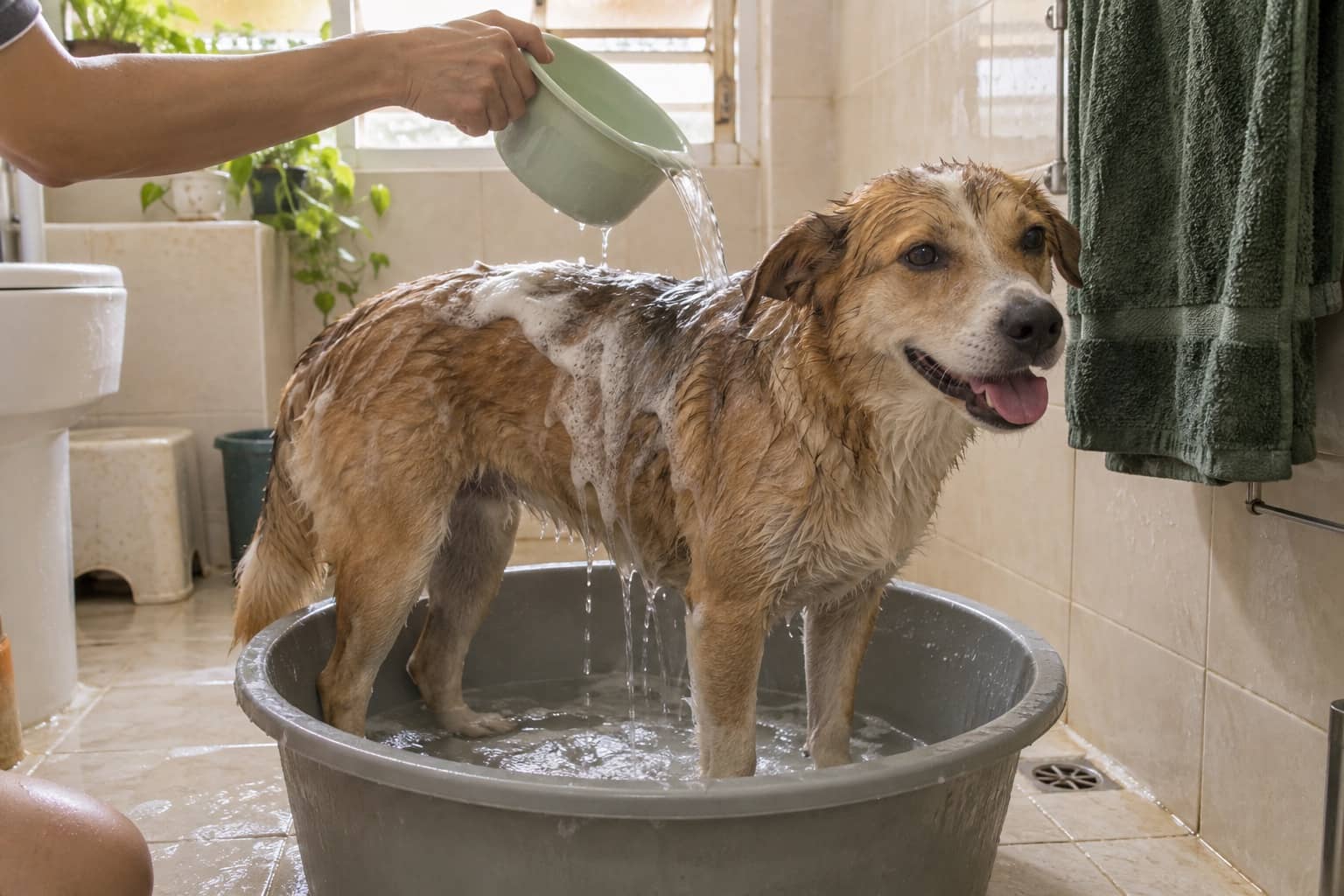
How to Bathe Your Dog at Home (Without the Drama)
Water temperature, what to wash first, and what to do when he starts to struggle. A bath at home takes twenty minutes once you stop improvising.

Product Guide6 min
Which Shampoo Is Right for Your Pet's Coat?
Short hair, double coat, sensitive skin — the formula matters more than the brand. What each coat actually needs, and how to read past the label.
How To8 min
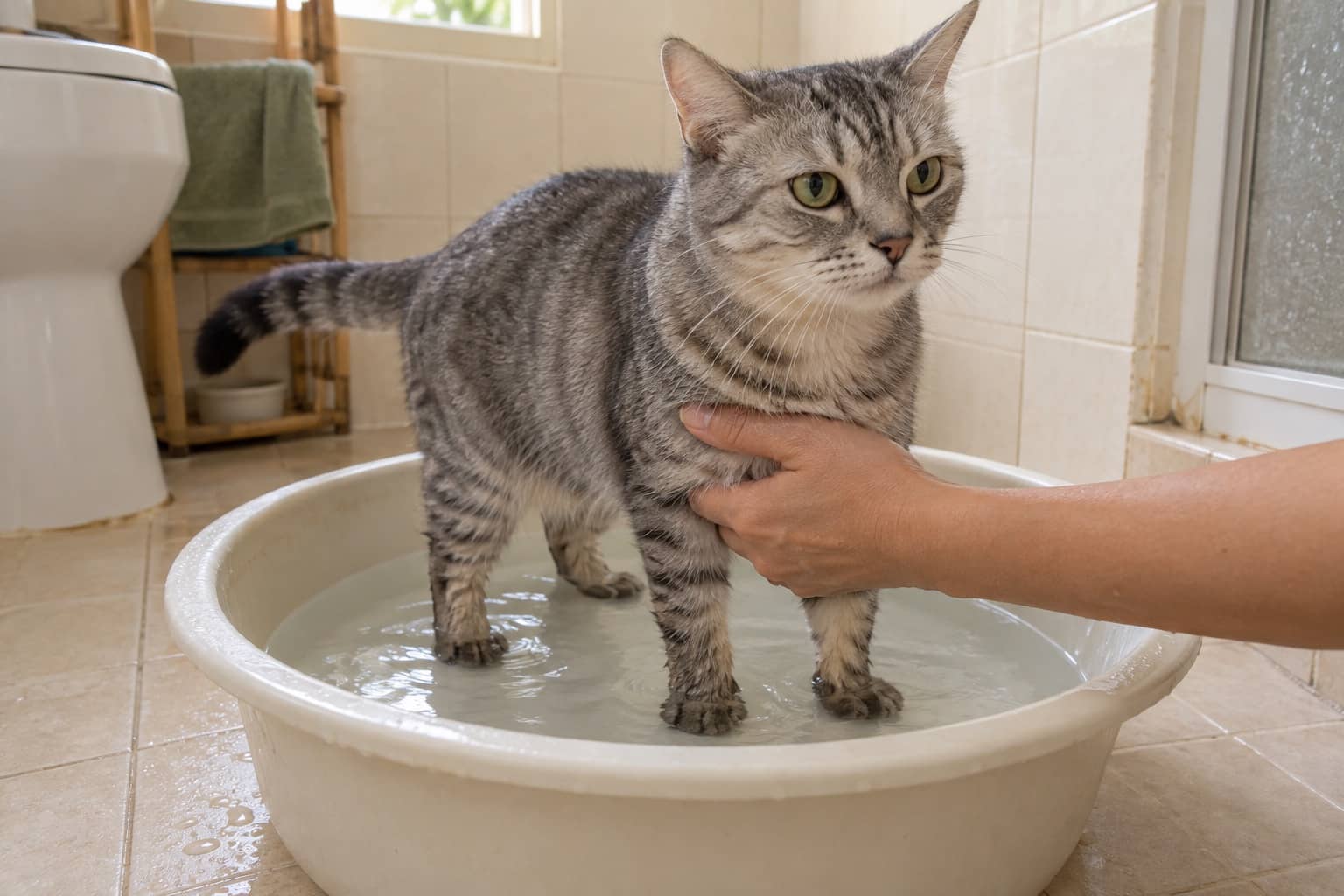
Yes, You Can Bathe a Cat. Here's How.
Cats don't hate water so much as they hate slippery floors, loud taps and no exit. Remove those three and a bath becomes manageable.
Pet Wellbeing6 min
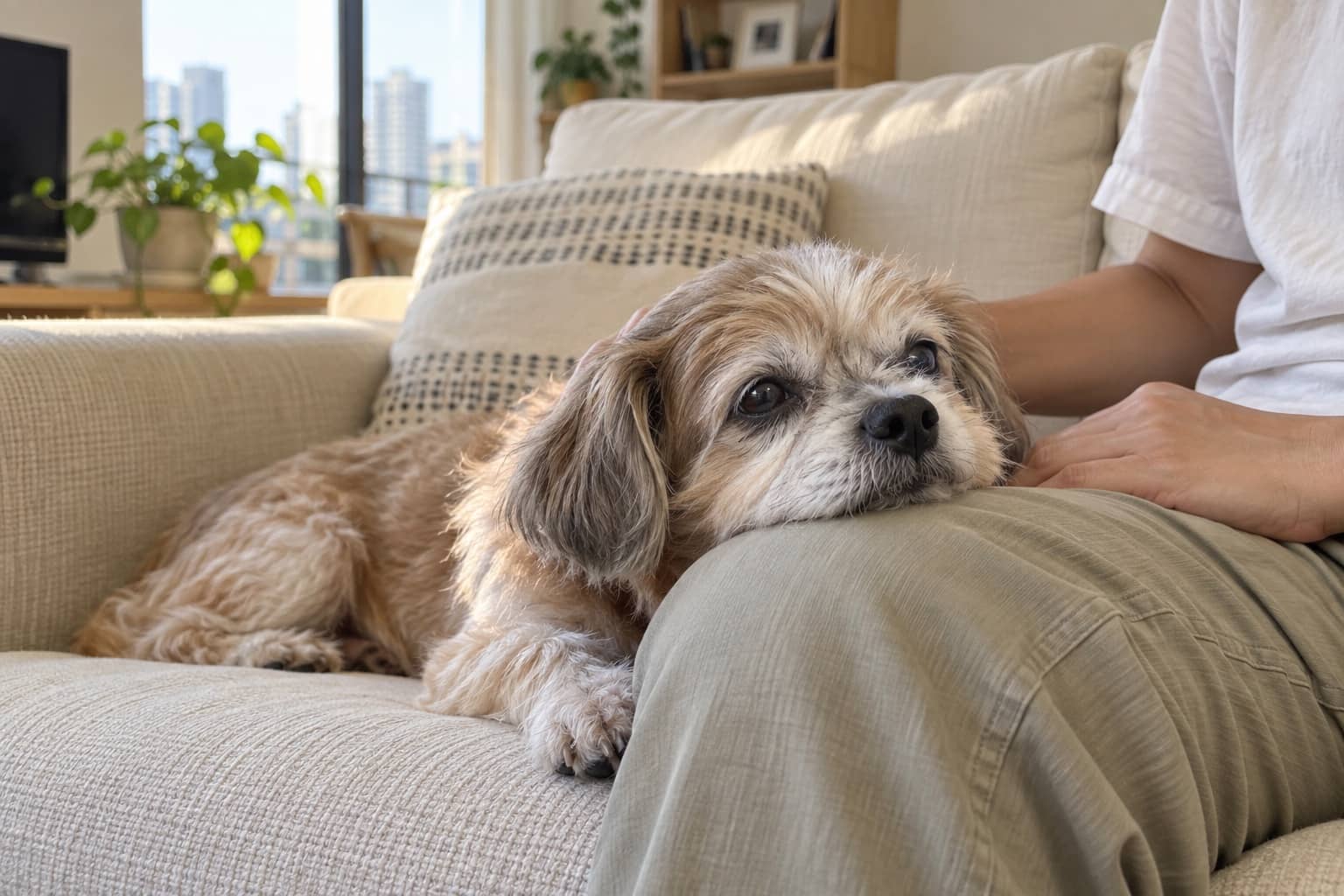
5 Quiet Signs Your Pet Is Getting Older
Greying around the muzzle. Sleeping a little longer. A pause before the sofa. The small changes we miss when we're busy, and what they usually mean.
How To4 min
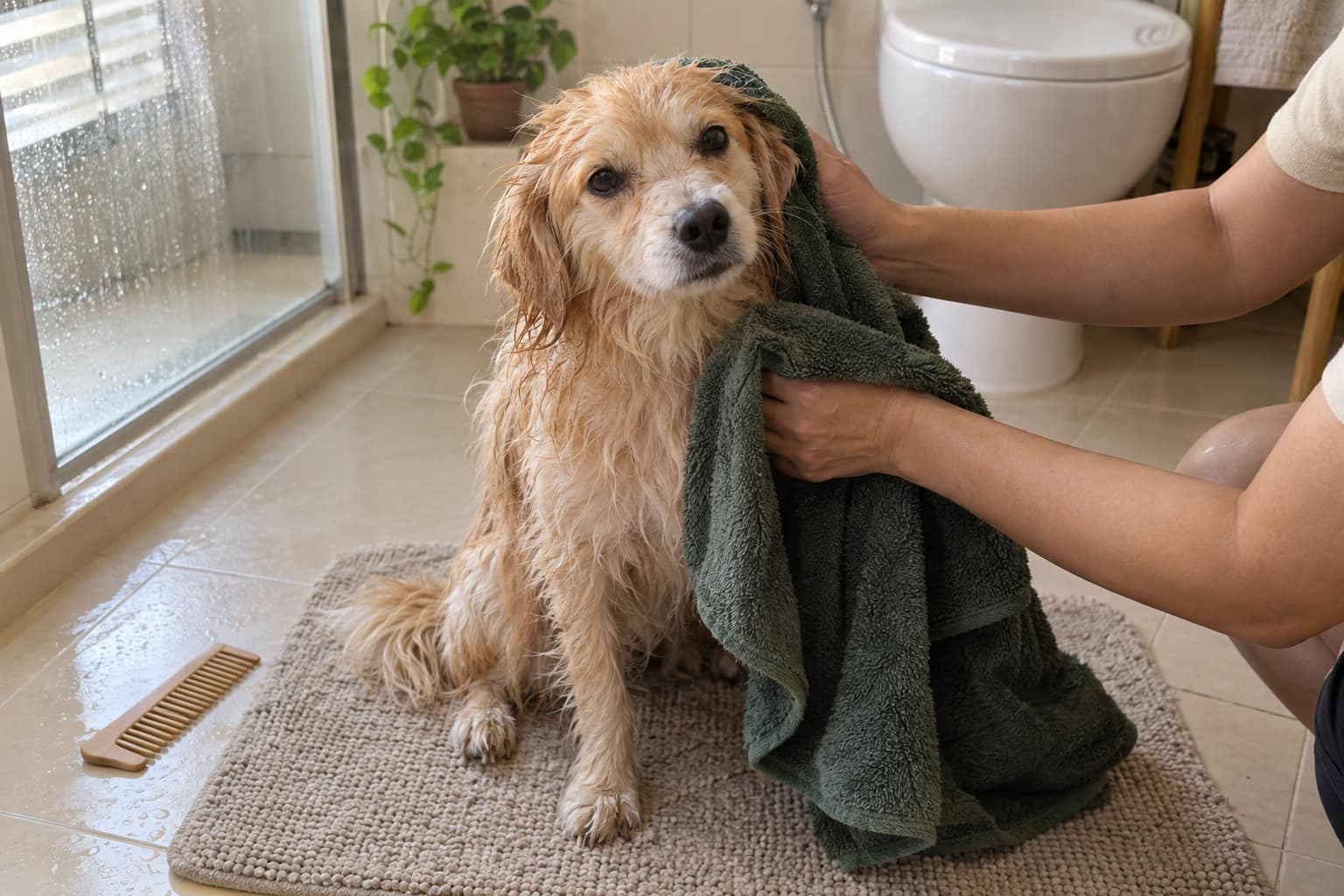
After the Bath: A Five-Minute Coat Care Routine
Drying, brushing, and a quick check with your nose and hands. The part everyone rushes, and the part that decides how the coat looks for the next ten days.