
Pet Wellbeing6 min read
He Won't Stop Scratching: What a Shampoo Can and Can't Do
A shampoo is not a medicine and it does not treat itching. What a gentle one does is remove a variable, so that what's left is easier for you and the vet to see. Broken skin, patchy hair loss or a new smell means an appointment, not a different bottle.
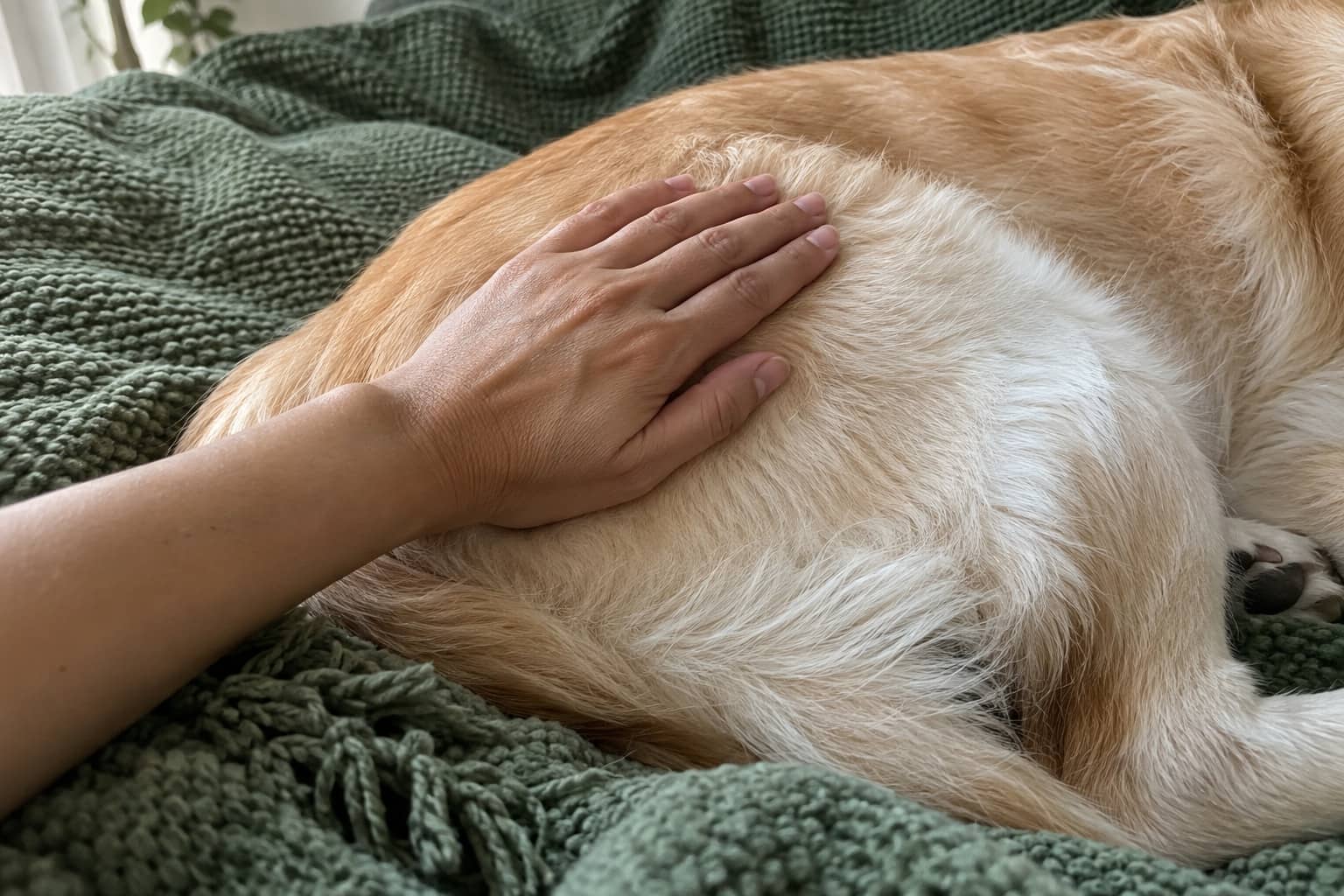
A shampoo is not a medicine and it does not treat itching. What a gentle one does is remove a variable, so that what's left is easier for you and the vet to see. Broken skin, patchy hair loss or a new smell means an appointment, not a different bottle.
Starting with the part that doesn't sell anything
We sell shampoo, and we're about to tell you that shampoo doesn't stop itching.
"Anti-itch" on a label is advertising, not fact. Itching has dozens of possible causes, from a single flea to something happening inside the body, and none of them rinse off with water and lather.
If you're reading this hoping to find the bottle that makes him stop scratching tonight, we don't have it. Neither does anyone who says they do.
So what does a shampoo actually do?
It removes one variable.
Think about it this way. Several things are happening on his skin at once right now. There may be fleas. There may be a food that doesn't agree with him. There may be a fungal problem. And there may be heavy fragrance and harsh cleansing agents from the bottle you're currently using.
Switch to something lightly scented that rinses out cleanly, and you've taken the last of those out of the equation. What remains is the real cause — and it's easier for you and the vet to see it.
That's the whole contribution. It isn't much. It also isn't nothing.
Learn to tell three things apart
Irritation usually starts after something changed — a new shampoo, new bedding, a new floor cleaner. The skin goes red over a wide area without much breaking, and it tends to improve once the new thing goes away.
Fleas and ticks produce scratching in specific places rather than all over. The usual spots are the base of the tail, the neck and the belly. Part the fur at the tail base and look for small dark specks like ground pepper. If they're there, you have your answer.
Something under the skin — fungal, bacterial, or internal. This one arrives with patchy hair loss, thickened or discoloured skin, or a smell. It will not resolve on its own no matter how many bottles you work through.
The third kind needs someone who can see more than you can.
Photograph it before the appointment
Skin problems have one irritating habit: they look better on the morning of the vet visit.
Photograph the worst of it when it's at its worst. Close up, in good light, and every affected spot if there's more than one.
Write down three things: when the scratching started, what time of day it's worst, and what changed in the house around then — food, bedding, laundry detergent.
Those three notes save a lot of time in the consulting room.
Three signs that mean today, not next week
Skin that is broken or weeping.
Hair loss in patches down to visible skin.
Skin that has developed a strong smell.
Any one of those and you go. Don't give it another week. There's more on skin odour specifically in the post about smells.
While you're still working out the cause
What you can do is keep the number of variables down.
Change one thing at a time. Swap the shampoo, the food and the bed in the same week, and if things improve you'll never know why.
If the shampoo is the thing you're changing, Hypoallergenic Shampoo is the lightest-scented of our four, with no SLS, and it rinses out easily. We offer it as the low-variable option while you find out what's wrong — not as the answer.
And where he's scratched the skin thin, go easy on repeat baths for now. A dry shampoo foam on the rest of him disturbs that skin far less.
How to read what's actually in a bottle is covered here.
Scratching that keeps the house awake is worth ending quickly, and the fastest route is usually not a new bottle. It's the appointment.
Questions people ask us
- Do anti-itch shampoos actually work?
- A shampoo is not a medicine and it does not treat itching. 'Anti-itch' on a label is advertising, not fact. What a genuinely gentle formula does is avoid adding heavy fragrance or harsh cleansing agents to skin that already has a problem.
- He's scratched himself raw — what now?
- Broken skin is a clinic visit, not a reason to try another bottle. While you wait for the appointment, stop him reopening the same spot, photograph it, and write down when the scratching started. Those three things help the vet more than anything else you can do.
- Which shampoo is best for a dog with sensitive skin?
- Look for the lightest scent you can find, no SLS, and something that rinses out easily. Those three matter more than the words 'for sensitive skin' on the front. And change one thing at a time — if you swap shampoo, food and bedding in the same week, you'll never learn which one it was.
- When do I need to see a vet?
- Three things mean go today: skin that's broken or weeping, patchy hair loss down to visible skin, and skin that has started to smell. Scratching that has simply grown more frequent over a fortnight is also worth an appointment — just not an urgent one.
Read next
 How Often Is Often Enough — and Why Dogs and Cats DifferOnce a week suits most dogs in a Thai home. An indoor cat can go far longer, or never. The right number depends on the coat, the weather and where he sleeps — and if the shampoo is gentle, more often does no harm. Red or flaky skin is the one sign to stop and see a vet.
 The First Bath: When, and How to Make It UneventfulA puppy or kitten is ready for a first bath when the vet says so, because the timing follows his own vaccination schedule. Until then, a warm cloth wrung out almost dry keeps him perfectly clean.
 Human Shampoo on a Dog? Dog Shampoo on a Cat?Human shampoo isn't built for a pet's skin. Once, in a pinch, is not a disaster — but it shouldn't become the habit. Dog shampoo on a cat is the riskier of the two, because a cat licks everything back off himself afterwards and swallows whatever was left in the coat.