
How To6 min read
How Often Is Often Enough — and Why Dogs and Cats Differ
Once a week suits most dogs in a Thai home. An indoor cat can go far longer, or never. The right number depends on the coat, the weather and where he sleeps — and if the shampoo is gentle, more often does no harm. Red or flaky skin is the one sign to stop and see a vet.
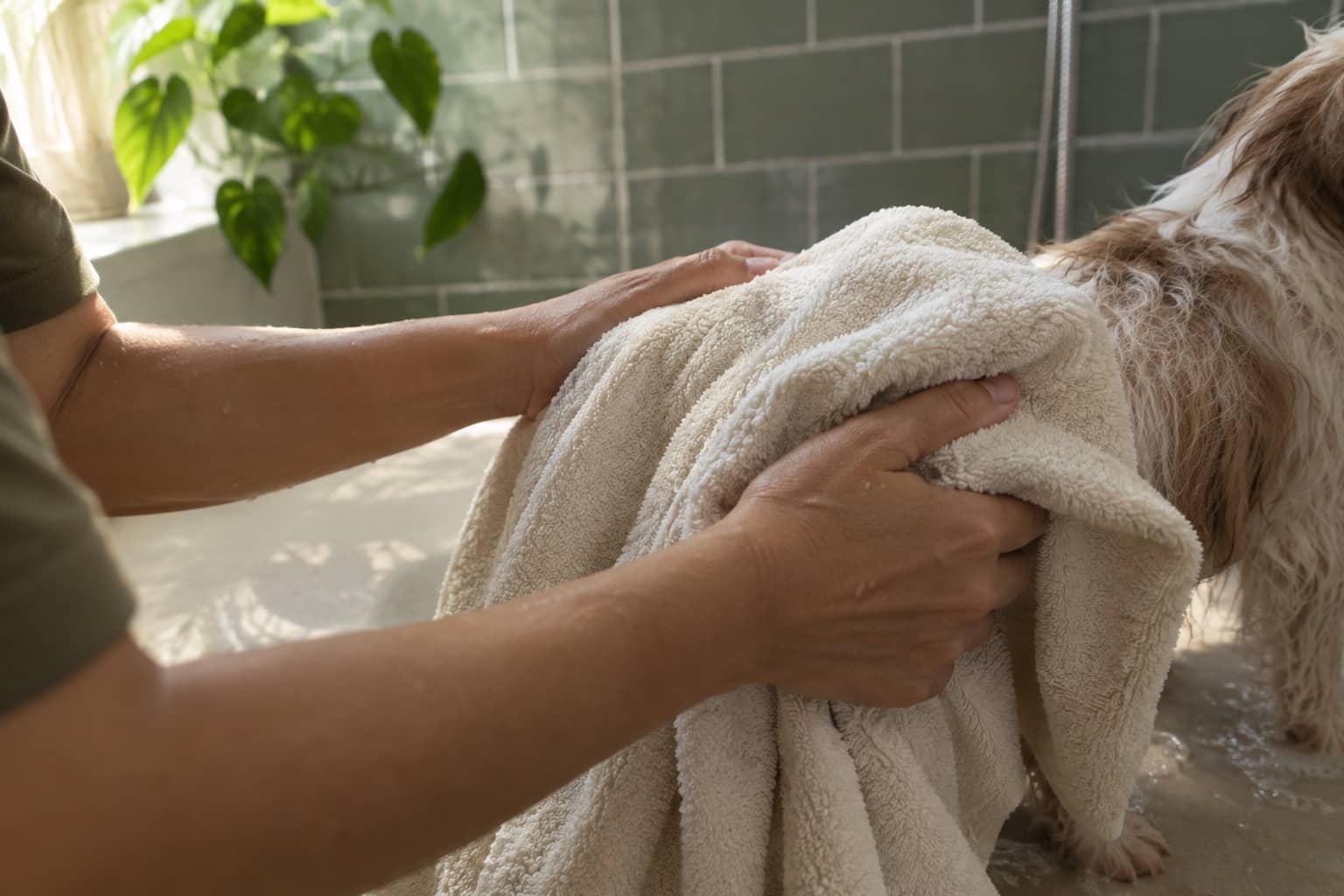
Once a week suits most dogs in a Thai home. An indoor cat can go far longer, or never. The right number depends on the coat, the weather and where he sleeps — and if the shampoo is gentle, more often does no harm. Red or flaky skin is the one sign to stop and see a vet.
Why ten people give you ten answers
The groomer says every two weeks. Your neighbour says once a month is plenty. Someone online warns that frequent baths dry the skin out. The woman at the market says weekly.
They're all right, because each of them is picturing a different dog in a different house.
So the number isn't the answer. Three things actually decide it: his coat, the climate he lives in, and where he sleeps.
Short, long and double coats aren't the same job
Short coats — beagles, pugs — are the most forgiving. A fortnight between baths still leaves them clean. But a short coat lies flat against the skin and picks up body odour quickly, so if you notice it when he settles next to you, that's the week.
Long coats need a tighter rhythm, not because they get dirtier but because length holds dust and damp for longer, and left alone it starts to knot. Weekly, plus combing in between, is about right.
Double coats are where most people slip. The outer layer dries fast enough to convince you you're done while the undercoat is still wet. These dogs don't need more frequent baths — they need longer drying.
Indoor cats need less than you'd think
A cat grooms himself properly. His tongue has been doing the work all along, which is why an indoor cat who never goes out doesn't need a bath on any schedule at all.
Bathe him when he's got into something he can't lick off, when a long coat starts clumping, or when age means he can't reach his back and the base of his tail any more.
If you want him used to water while he's still young, the whole cat-bathing method is here.
If he sleeps on the bed, the number moves
Nobody mentions this one, and it's the clearest variable in a Thai home.
A dog who sleeps where you sleep leaves his coat in the sheets, and the smell comes back round to you. People who let the dog on the bed usually land on weekly anyway — not because the dog is dirtier, but because you're smelling him from closer.
The climate pushes the same direction. Hot and humid most of the year means sweat and dust settle into a coat faster than they do in a cold country, which is why advice written abroad — once a month is fine — usually runs too long here.
Every day: can you?
You can, in the sense that nothing goes wrong immediately. You shouldn't, in the sense of keeping it up.
Pet skin carries a thin oil layer that holds moisture in and keeps trouble out. Daily water and lather strip it faster than the body replaces it, and the end of that road is dry skin, itching, scratching.
If he really does get dirty every day, wash the part that's dirty. Muddy paws, rinse the paws. A messy mouth, wipe the mouth. Or use a dry shampoo foam on the spot and keep full baths where they were.
What time of day works best
Morning to early afternoon is the easy window, because the coat has hours to finish drying before he sleeps.
Evening is fine too, as long as you dry down to the skin. What to avoid is a late bath left damp overnight — hours of moisture held against skin is where the musty smell and the matting start.
Warm water is good, better than cold. Dip your wrist: comfortably warm, not hot. Hotter than that dries the skin out.
The one sign that means stop
The rhythm is yours to adjust any time. One signal isn't.
If the skin looks red, starts flaking, or there's a spot that makes him flinch when your hand passes over it, stop worrying about the schedule and see a vet. A shampoo is not a medicine, and guessing that it's probably just dry skin is the most expensive way to spend a month.
So how long does a bottle last?
That question answers itself in the cupboard.
A 500 ml shampoo at ฿890 usually covers three to five months for a medium dog bathed weekly. If yours empties much faster, you're bathing more often than you thought. Much slower, and you're going longer than you meant to.
The bathroom shelf turns out to be a more honest record than the number in your head.
For the full bath step by step, from turning the tap on to the last pass with the dryer, read this next. And on the weeks when bath time feels like one more chore to clear, thirty minutes a week might reframe it.
The best rhythm is the one you'll actually keep every week, not the correct one you manage once a month.
Questions people ask us
- Can I bathe my dog every day?
- Not as a routine. Water and lather every day strip the skin's oil faster than it rebuilds, and dry, itchy skin follows. If he genuinely gets filthy daily, rinse only the dirty part with plain water or clean it with a dry shampoo foam, and keep full baths on their usual rhythm.
- Is once a month enough for a cat?
- Yes, and most indoor cats stretch further than that. A cat's tongue does the job a shampoo does for a dog. Baths are for what he can't lick off, for a long coat starting to mat, and for an older cat who can no longer reach his own back.
- How many times a week should I bathe my dog?
- Once a week is a sound starting point for most dogs in a Thai home. A short coat that rarely goes out can stretch to a fortnight. A dog who runs outside daily or sleeps on the bed can go more often than weekly without harm, as long as the shampoo is gentle.
- Can I bathe a dog in the evening?
- Yes, if you dry the coat down to the skin before he sleeps. What to avoid is a late bath left damp overnight — moisture held against the skin for hours is what causes the musty smell and the matting. A morning bath is easier because the day does the drying for you.
Read next
 The First Bath: When, and How to Make It UneventfulA puppy or kitten is ready for a first bath when the vet says so, because the timing follows his own vaccination schedule. Until then, a warm cloth wrung out almost dry keeps him perfectly clean.
 Human Shampoo on a Dog? Dog Shampoo on a Cat?Human shampoo isn't built for a pet's skin. Once, in a pinch, is not a disaster — but it shouldn't become the habit. Dog shampoo on a cat is the riskier of the two, because a cat licks everything back off himself afterwards and swallows whatever was left in the coat.
 Still Smelly After a Bath: Where the Odour Actually Comes FromA smell that survives a bath usually isn't the shampoo's fault. The most common cause is a coat that never dried down to the skin; the next is shampoo that wasn't fully rinsed out. If it's dry and properly rinsed and the smell is still there, track it to the ears, skin, mouth or rear — and have a vet look.