
How To8 min read
Yes, You Can Bathe a Cat. Here's How.
Cats don't hate water so much as they hate slippery floors, loud taps and no exit. Remove those three and a bath becomes manageable.
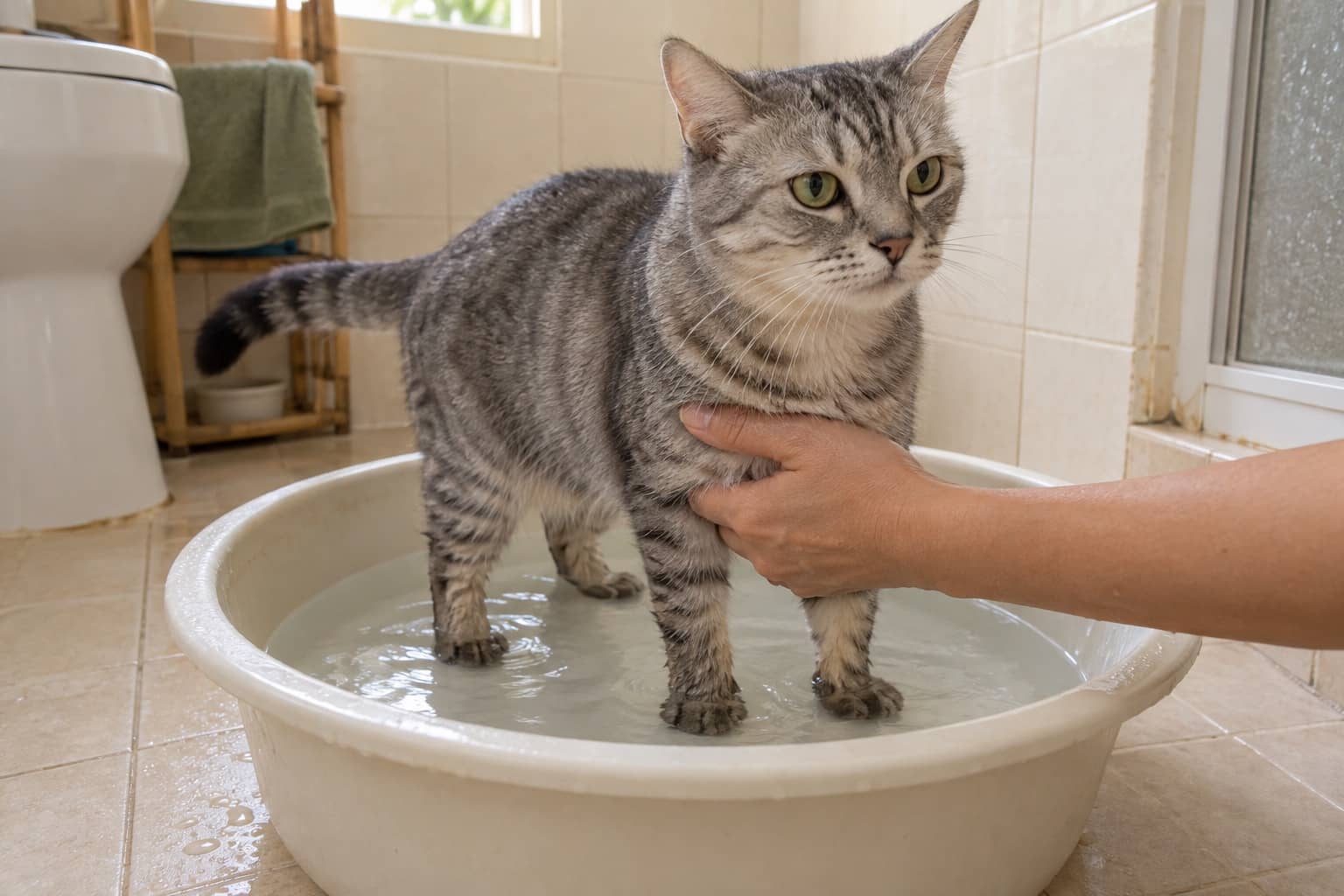
The line everyone repeats is that cats hate water. It's not quite right. What cats hate is standing on a slippery surface, in a small space, next to a loud noise, with nowhere to go. Take those three away and a bath is a manageable thing.
First, though: most cats never need one.
Which cats should be bathed
- Cats who've got into something they can't lick off — oil, paint, mud.
- Long-haired cats whose coat is matting faster than they can keep up with.
- Older or heavier cats who can no longer reach their own back and hips. This is more common than people expect and usually the real reason a cat starts looking unkempt.
- Households where someone is allergic. Occasional bathing reduces the allergen load sitting on the coat.
Outside of those, brushing does more good than bathing.
Set the room up before the cat comes in
The moment a cat bath goes wrong is the moment you let go of her to reach for something. So have it all out.
- Four towels. A wet cat needs more towels than a dog of the same size, every time.
- A towel or mat in the bottom of the basin so she isn't sliding.
- Warm water already sitting in two basins — one to wash, one to rinse. This is much better than a running tap, because the sound of running water is the part that frightens most cats.
- Shampoo, cap open.
- The door shut.
Keep the water no deeper than her knees. A cat who can feel the bottom with her feet stays far calmer than one who can't.
Trim her claws the day before
People skip this and regret it. Do the front claws a day ahead — not the same day. Two unpleasant procedures in one afternoon and she files the whole day under bad.
Working through it
Start by pouring a little water over her back with a cup, not by wetting her all at once. Give her a moment to understand what's happening.
Then lather from the neck backwards, then down the legs. Skip the face entirely; a damp cloth handles it.
Rinsing matters more with a cat than with a dog, because she will groom herself the moment you let go. Whatever stays in the coat is going into her. Rinse until the fur doesn't feel slippery between your fingers.
Talk very little, and keep your voice low. High-pitched reassurance winds a cat up rather than settling her.
Drying is the most important part
Wrap her in a large towel, all the way around, like a parcel. Press and blot rather than rub, and swap towels once the first is soaked.
Most cats are more frightened of a hairdryer than of the water. If she isn't used to one, don't force it. Towel her through several changes and keep her in a warm room with no draught until she's completely dry.
Long-haired cats should be brushed while the coat is still slightly damp, not after it's dried, by which point any knots have set.
The easier route for a lot of households
Honestly: in plenty of homes a cat bath is never going to work, and there's no need to force it.
A 150 ml dry shampoo foam covers this. Work it into your palms, smooth it through the coat in the direction the fur lies, then wipe off with a damp cloth. No rinsing, under five minutes, and no running water to alarm her.
A bottle tends to last between one and three months depending on how often you reach for it, at ฿490. For an older cat who's stopped grooming her whole body, it's the first thing we suggest.
If you want the dog version of this, it's here. And if your cat is at the age where she's grooming less, these are the signs worth watching.
Questions people ask us
- Do cats actually need baths?
- Most don't. They groom themselves well. Bathe a cat when she's got into something she can't lick off, when a long coat is matting faster than she can manage, or when age or weight stops her reaching her own back.
- How often should I bathe my cat?
- Far less often than a dog — a few times a year is plenty in many households. Regular brushing does more for a cat than regular bathing.
- Can I use dog shampoo on a cat?
- Check the label. Ours is pH-balanced for pet skin and safe for both, but some dog-specific formulas aren't suitable for cats, who will lick themselves clean afterwards no matter what.
- What if she absolutely will not get in the water?
- Use a dry shampoo foam instead. Work it into your palms, smooth it through the coat, wipe off with a damp cloth, no rinsing. It works particularly well for older cats and cats who stress easily.
Read next
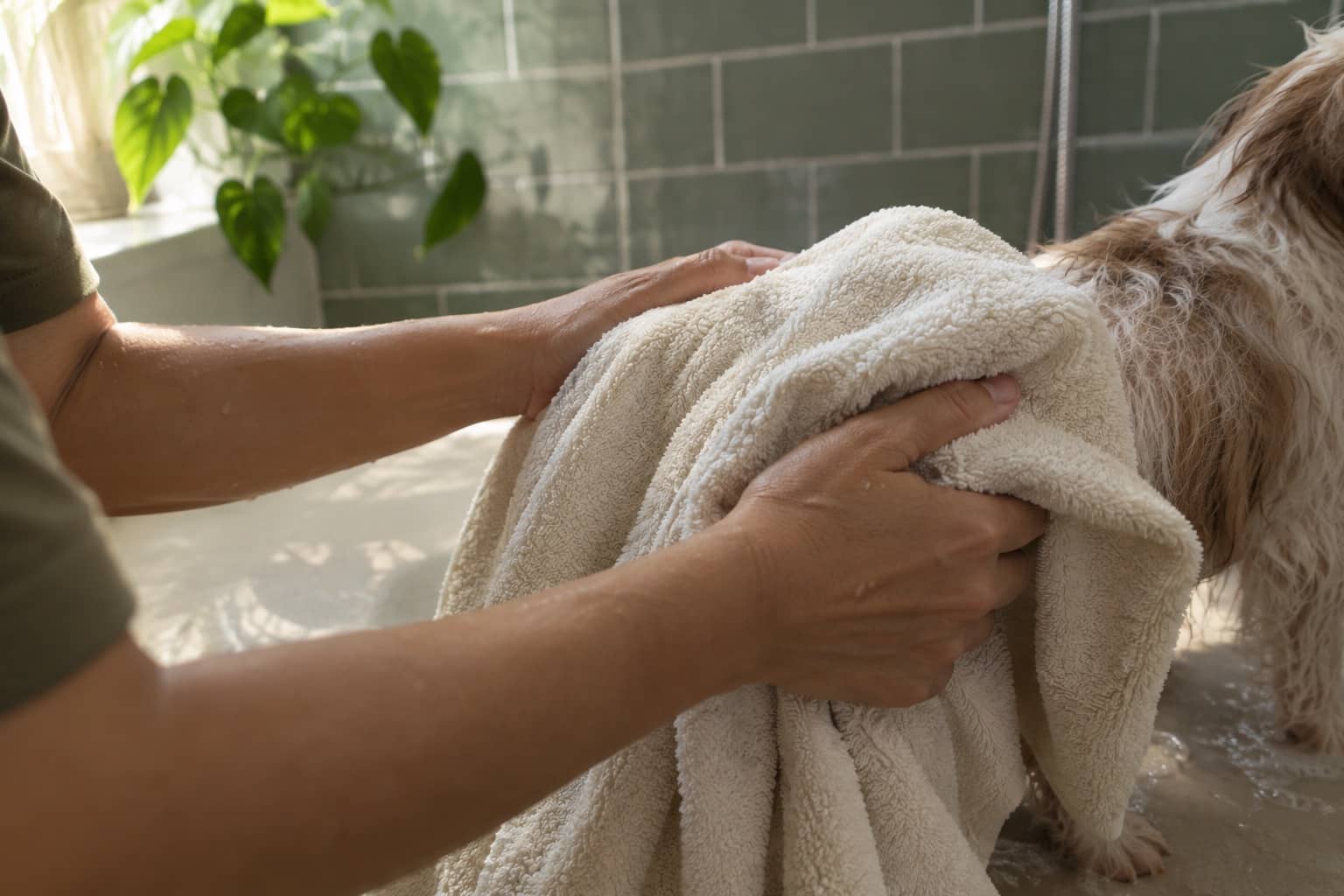 How Often Is Often Enough — and Why Dogs and Cats DifferOnce a week suits most dogs in a Thai home. An indoor cat can go far longer, or never. The right number depends on the coat, the weather and where he sleeps — and if the shampoo is gentle, more often does no harm. Red or flaky skin is the one sign to stop and see a vet.
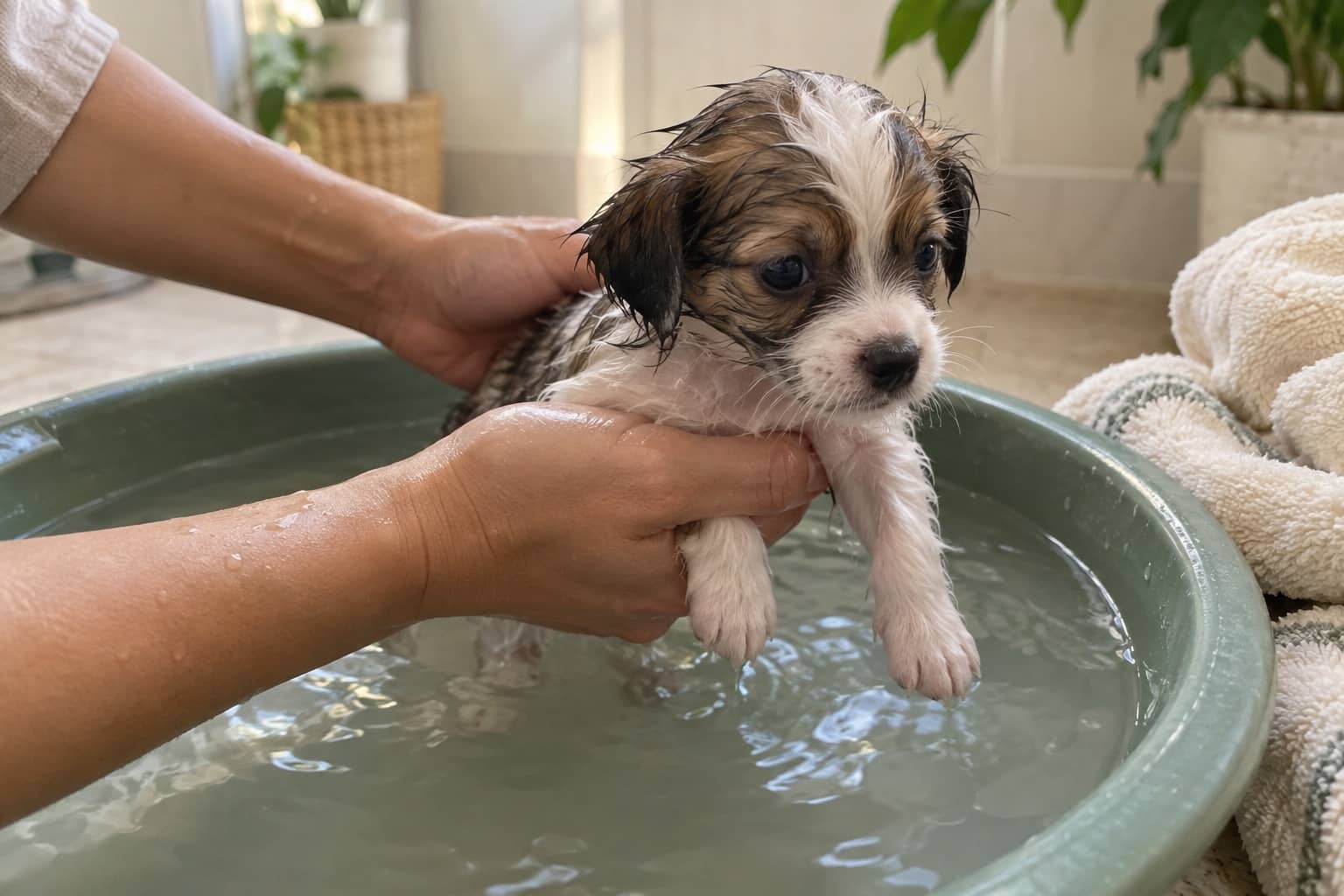 The First Bath: When, and How to Make It UneventfulA puppy or kitten is ready for a first bath when the vet says so, because the timing follows his own vaccination schedule. Until then, a warm cloth wrung out almost dry keeps him perfectly clean.
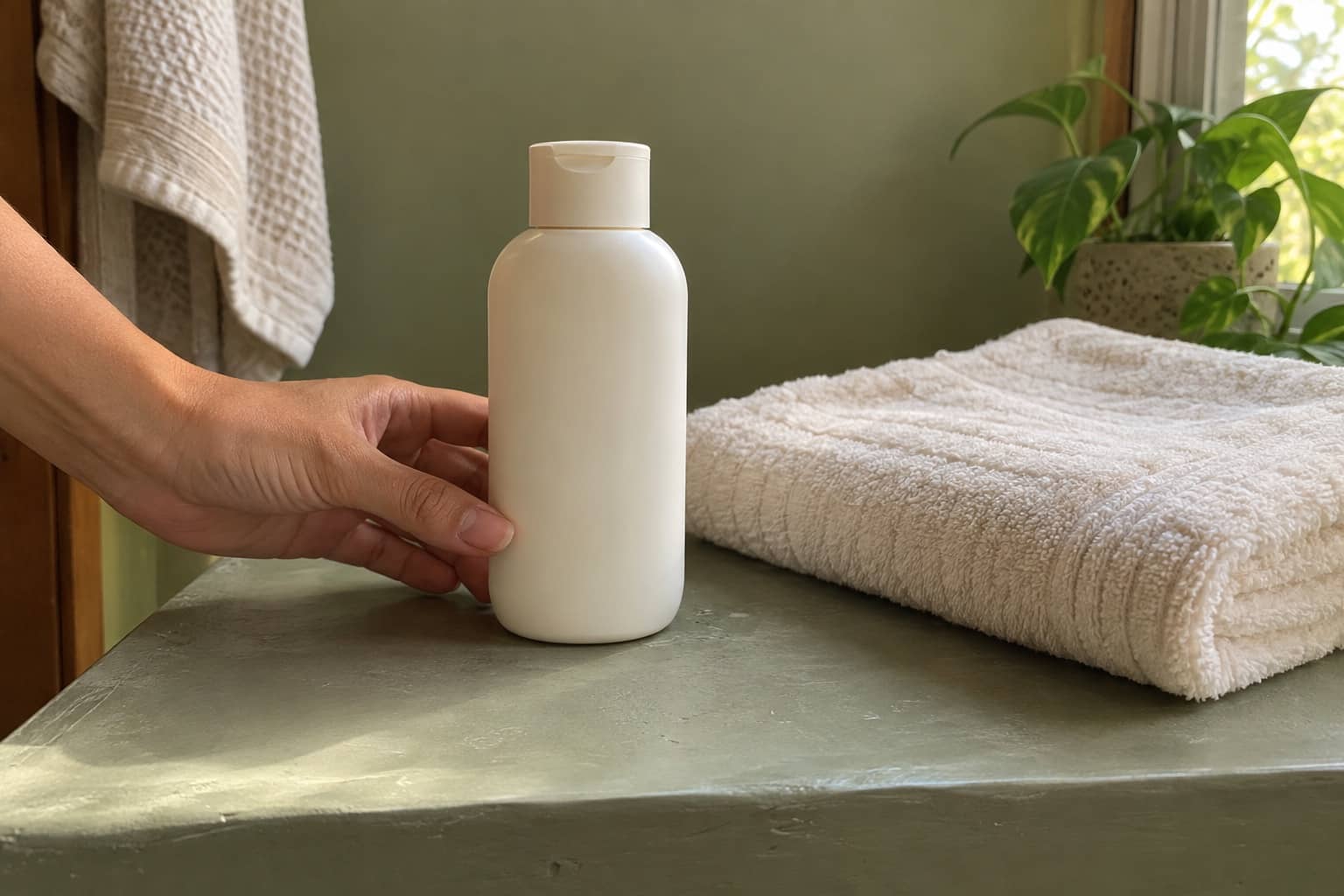 Human Shampoo on a Dog? Dog Shampoo on a Cat?Human shampoo isn't built for a pet's skin. Once, in a pinch, is not a disaster — but it shouldn't become the habit. Dog shampoo on a cat is the riskier of the two, because a cat licks everything back off himself afterwards and swallows whatever was left in the coat.